Community Management in the Gaming Industry: Building and Protecting the Community
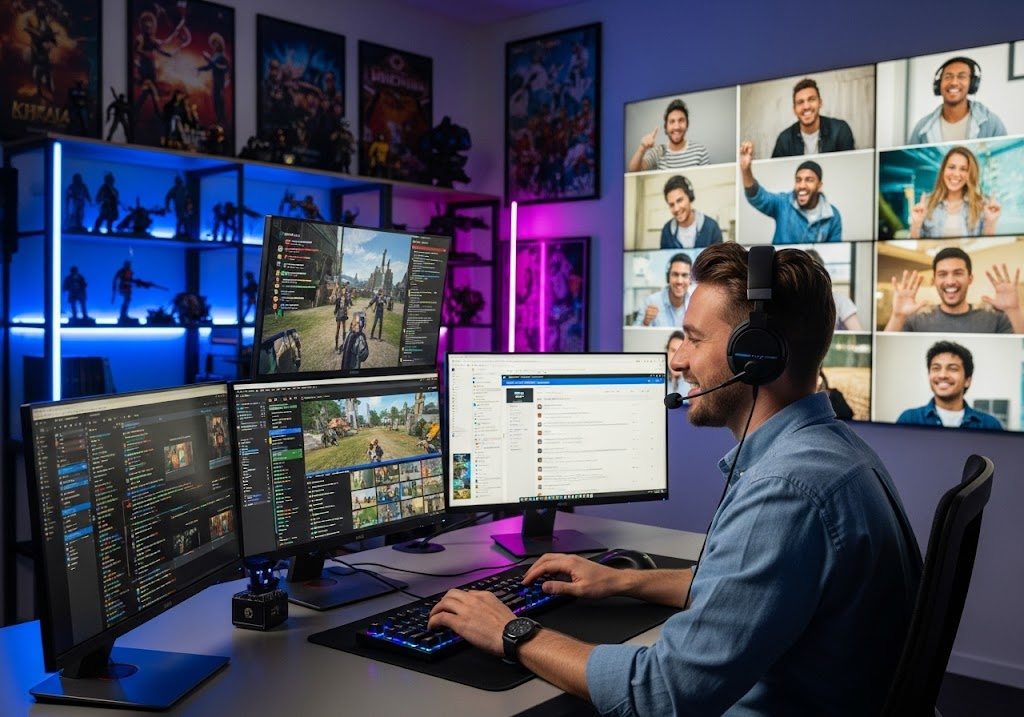
In the world of online gaming and entertainment, the player experience goes far beyond the game's interface or the size of a jackpot. It is increasingly defined by a sense of community belonging. Players don't just want to play; they want to share their victories, discuss strategies, voice their opinions, and connect with fellow enthusiasts. At the heart of this social ecosystem is the Community Manager. Their role, much more complex than it appears, is to build, engage, and protect this community. They are the vital link between the platform and its users—an ambassador whose mission is crucial for player retention and brand reputation.
Fueling the Excitement: The Community Manager as Game Master
A Community Manager's primary mission is to maintain a high level of engagement and excitement. In the gaming sector, this requires constant and creative interaction. They do more than simply broadcast promotional offers; they craft events that genuinely enrich the player experience.
This can take the form of exclusive social media contests, community-driven tournaments, live Q&A sessions with game developers, or crafting entertaining, "viral" content (like memes and videos) tailored to gaming culture. The Community Manager must be a natural content creator and host, capable of keeping the spark alive and ensuring the community remains a vibrant, entertaining space, even when players aren't actively logged into the platform.
Moderation and Crisis Management: The Guardian of Fair Play
A gaming community can be a passionate environment, but it can also be a tense one. Handling disgruntled players, sore losers, cheaters, or inter-member conflicts is an essential and delicate part of the job. The Community Manager acts as the moderator who establishes the rules of social engagement and ensures they are respected, keeping the space enjoyable for everyone.
More importantly, they are on the front lines during technical issues, platform bugs, or controversies. Their ability to communicate transparently, swiftly, and empathetically during a crisis is a defining factor for brand reputation. A poorly managed crisis can lead to a massive loss of player trust. Conversely, a well-managed crisis can actually strengthen loyalty by proving that the platform takes its users seriously.
The Players' Champion: Amplifying the Community's Voice
The Community Manager is not just the brand's spokesperson to the players; they are also the players' advocate to the brand. By carefully monitoring conversations, suggestions, and criticisms within the community, they gather invaluable insights.
Are players suggesting a new game feature? Complaining about a slow withdrawal process? Raving about a specific type of bonus? The Community Manager synthesizes this feedback and relays it to internal teams (product, tech, marketing). They ensure the players' voice is heard and factored into future developments. By acting as this "players' champion," they contribute directly to product improvement and reinforce the community's feeling of being heard and valued.
Conclusion: A Strategic Role for a Demanding Sector
Community Management in the gaming industry is a highly strategic discipline. It is not merely a support function, but a core pillar of customer retention and reputation management. The required skills are incredibly diverse: creativity, diplomacy, responsiveness, and a deep understanding of player psychology. For companies operating in competitive markets like Brussels, professionalizing this role is crucial. A digital communications training course in Brussels at Clicktrust Academy provides the strategic frameworks needed to build and manage thriving communities. In this environment, a good Community Manager and the agencies that train them become "indispensable partners" in building a strong, respected brand.